


-
-
bulk coffee bags with valveABOUT DSLPACK
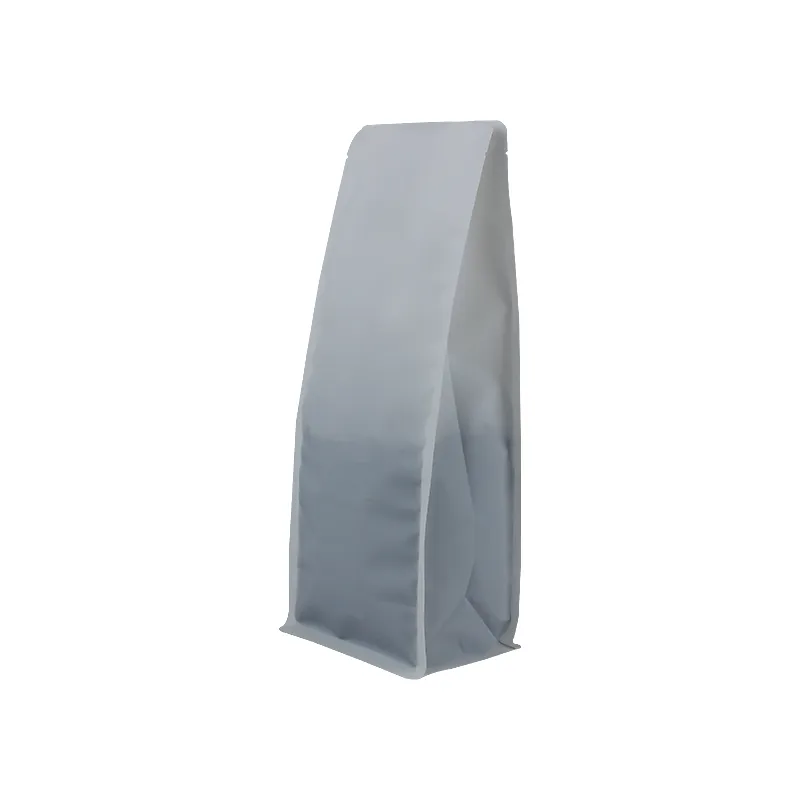
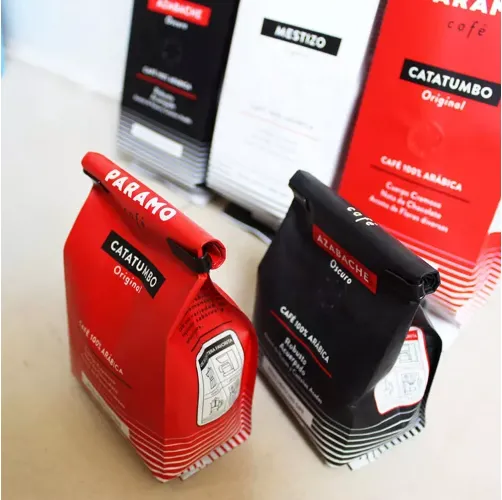
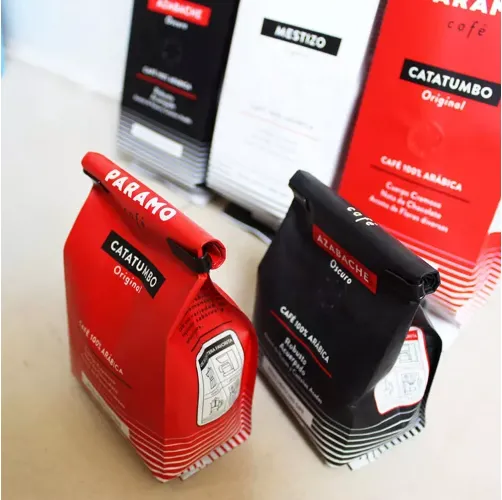
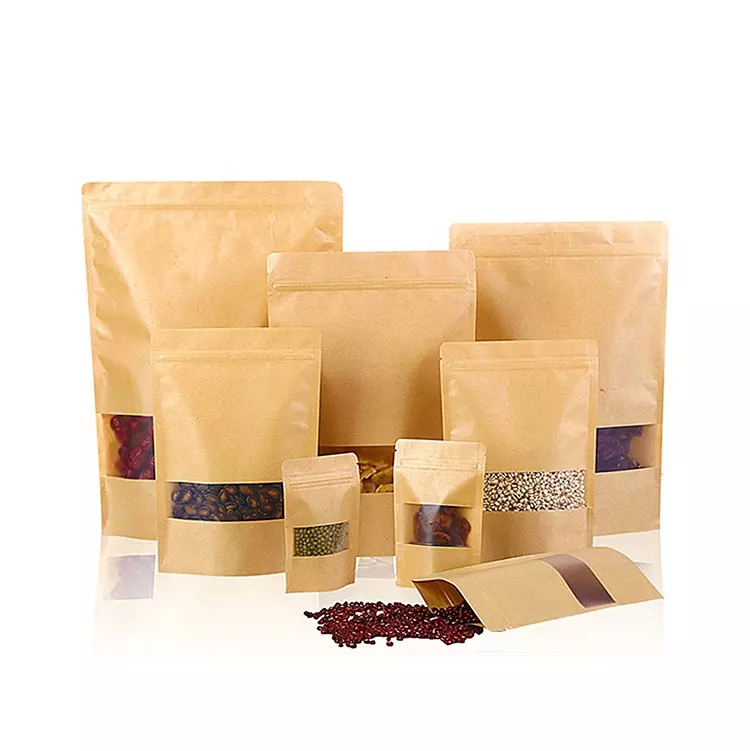
The Strategic Imperative of bulk coffee bags with valve in Modern Coffee Distribution In the rapidly evolving landscape of coffee distribution, selecting the optimal packaging solution is not merely a logistical decision but a strategic imperative that directly impacts product quality, brand perception, and operational efficiency. The demand for specialized coffee bags , particularly those designed for bulk quantities and equipped with one-way degassing valves, has surged due to heightened consumer awareness regarding freshness and sustainability, alongside the intricate requirements of large-scale commercial operations. These advanced packaging solutions, exemplified by products such as the Biodegradable Pouch Bags Eco Friendly Ziplock Stand Up Food Packaging Compostable Coffee Bags , are engineered to mitigate the primary challenges associated with coffee storage: oxygen ingress, moisture absorption, and the build-up of CO2 released during the natural degassing process of roasted beans. The integrated valve technology, often a proprietary component, allows carbon dioxide to escape while preventing external air from entering, thereby preserving the delicate aroma and flavor profile of the coffee. This mechanism is critical for maintaining product integrity over extended periods, an essential consideration for wholesale roasters, distributors, and large-format retailers. Furthermore, the industry is witnessing a significant pivot towards eco-conscious packaging, driving innovation in biodegradable and compostable materials that align with global sustainability goals. This shift mandates that packaging professionals not only understand the technical specifications of these bags but also their environmental footprint, ensuring compliance with international certifications suchs as EN 13432 for compostability. The comprehensive understanding of these specialized coffee packaging bags is paramount for stakeholders aiming to optimize their supply chain and uphold product excellence in a competitive market. Advanced Manufacturing and Material Science Behind Degassing Coffee Bags The production of high-performance bulk coffee bags with valve involves a sophisticated multi-stage manufacturing process, emphasizing precision engineering and adherence to stringent food-grade safety standards. The foundation of these bags lies in their multi-layer film structure, meticulously engineered to provide superior barrier properties. Typical construction involves combining various polymers or bio-polymers such as PLA (Polylactic Acid), PBAT (Polybutylene Adipate Terephthalate), or Kraft paper laminated with high-barrier coatings. These layers are co-extruded or laminated to create a robust material that effectively blocks oxygen, moisture, and UV light, which are primary degradation factors for roasted coffee. The manufacturing sequence generally begins with film extrusion, where raw materials are melted and forced through a die to create thin films. These films then undergo a lamination process, bonding different layers together to achieve the desired barrier performance and mechanical strength. For instance, a common structure might include an outer protective layer for printability and strength, a middle barrier layer (e.g., EVOH or specialized bio-polymers) for gas and moisture resistance, and an inner food-contact safe layer for sealing integrity. The integration of the one-way degassing valve is a critical step, usually performed by specialized machinery that precisely positions and seals the valve onto the bag material during the forming stage. This valve, often made of food-grade polyethylene, ensures controlled release of CO2 without allowing oxygen ingress, extending the coffee's shelf life. Quality control throughout the process adheres to international standards like ISO 9001 for quality management and ISO 22000 for food safety, alongside specific certifications for compostability or biodegradability, such as ASTM D6400 or EN 13432. The durability and design of these bags ensure a typical lifespan appropriate for coffee distribution, ranging from 12 to 24 months depending on storage conditions, safeguarding product quality from production to consumer. Technical Specifications and Performance Metrics for Bulk Coffee Packaging Understanding the precise technical parameters of bulk coffee bags with valve is essential for procurement professionals and roasters to ensure compatibility with product requirements and filling machinery. Key specifications include material composition, thickness, barrier properties (Oxygen Transmission Rate - OTR, Water Vapor Transmission Rate - WVTR), valve type, and overall bag dimensions. For instance, the OTR, measured in cm³/m²/24h, quantifies how much oxygen can pass through the material over a period, with lower values indicating superior barrier performance crucial for preserving coffee freshness. WVTR, measured in g/m²/24h, indicates moisture permeability, equally vital to prevent staleness. Manufacturers often provide detailed data sheets for their films, specifying these critical metrics. Furthermore, the type of degassing valve, whether internal or external, and its opening pressure are significant technical considerations, directly impacting how effectively the bag manages CO2 release while preventing atmospheric oxygen ingress. When considering custom printed coffee bags , the print technology (e.g., rotogravure or flexographic) and ink type (e.g., water-based, non-toxic) are also crucial, ensuring brand consistency and food safety. Below is a representative table outlining typical parameters for high-quality bulk coffee bags. Typical Technical Parameters for Bulk Coffee Bags with Valve Parameter Specification Range / Description Material Composition Multi-layer laminates (e.g., PET/AL/LLDPE, Kraft/PLA/PBAT, BOPP/EVOH/PE). Compostable options include PLA/Paper/PBAT blends. Total Thickness 100 – 250 microns (4 – 10 mil), depending on volume and material. Oxygen Transmission Rate (OTR) Typically < 1.0 cm³/m²/24h @ 23°C, 0% RH for high barrier. Water Vapor Transmission Rate (WVTR) Typically < 1.0 g/m²/24h @ 38°C, 90% RH for high barrier. Valve Type One-way degassing valve (internal or external), allows CO2 out, prevents O2 in. Closure Mechanism Ziplock/Zipper, Heat Sealable. Volume Capacity From 250g to 5kg+ (e.g., 1lb, 2lb, 5lb, 10lb, 12oz). Certifications (Examples) FDA (Food Contact Safe), ISO 9001, BRCGS, EN 13432 (Compostability), ASTM D6400. The selection of appropriate coffee bags hinges on a thorough evaluation of these parameters against specific application needs. For large-scale roasters distributing thousands of pounds of coffee weekly, consistency in barrier performance and valve reliability is paramount. This robust design not only extends shelf life but also allows for global distribution, minimizing waste and ensuring that specialty coffee reaches consumers at its peak freshness. Compared to traditional packaging like tin cans or rigid plastic container111s, flexible bulk bags offer significant advantages in terms of reduced shipping weight, lower carbon footprint due to less material usage, and enhanced storage efficiency. Moreover, the inherent flexibility of these bags means they adapt better to varying fill volumes and shapes, optimizing packing processes. The continued advancements in material science are pushing the boundaries for even more sustainable options without compromising these essential barrier properties, representing a critical area of innovation in coffee packaging. Application Scenarios and Strategic Advantages in Coffee Distribution The versatility and technical superiority of bulk coffee bags with valve make them indispensable across a wide spectrum of coffee industry applications, from large-scale commercial roasteries to independent specialty coffee shops. In a typical wholesale scenario, roasters utilize these bags to package freshly roasted beans, leveraging the one-way valve to allow natural degassing while protecting against oxygen exposure during transit and storage. This ensures that when coffee reaches distributors, cafes, or even direct-to-consumer bulk buyers, it retains its optimal freshness, flavor, and aroma. A prime example is a regional roastery supplying 500-pound batches of various roasts to cafes; using 5-pound or 10-pound bulk bags with valves allows them to fulfill orders efficiently, minimize spoilage, and maintain quality consistency across their client base. Similarly, for subscription box services or corporate clients requiring large volumes of diverse roasts, these bags provide an ideal solution for efficient fulfillment and prolonged freshness. Beyond the wholesale market, these bags are also crucial for specialty cafes that purchase green beans in bulk and roast them in-house. They often repackage their freshly roasted coffee into smaller retail-sized bags, but the initial bulk storage in valve-equipped bags is critical for managing inventory and preserving the quality of larger quantities of roasted coffee. Even for consumers who buy large quantities to reduce packaging waste, these bags with their integrated zippers offer a convenient and effective way to store coffee at home, preserving its quality far longer than standard retail bags without valves. While the focus here is on larger formats, the technological advancements in barrier films and valve technology also benefit packaging for individual coffee packets in bulk , ensuring each single-serve portion delivers a fresh experience. The ability to customize these bags with high-quality graphics and branding further enhances their value, transforming them from mere container111s into powerful marketing tools that reinforce brand identity and communicate quality to the end-user. The operational advantages extend to inventory management, where the durability of these bags reduces damage during handling and transportation, ultimately lowering costs associated with product loss and returns. Ensuring Trust and Authority: Certifications, Customization, and Customer Support For B2B decision-makers, trust and verifiable authority are paramount when sourcing critical components like bulk coffee bags with valve . Reputable manufacturers demonstrate their commitment to quality and safety through rigorous adherence to international standards and comprehensive certification portfolios. For example, DSLPACK's dedication to quality is underscored by its ISO 9001 certification for quality management systems, ensuring consistent production processes and product reliability. Furthermore, their products, including the Biodegradable Pouch Bags Eco Friendly Ziplock Stand Up Food Packaging Compostable Coffee Bags , meet critical food-grade standards like FDA compliance, affirming their safety for direct food contact. For sustainable options, certifications such as EN 13432 and ASTM D6400 for industrial compostability are crucial, providing verifiable proof of environmental claims. Beyond certifications, the ability to offer bespoke packaging solutions is a significant differentiator. DSLPACK excels in providing extensive customization options for coffee packaging bags , ranging from custom sizing and material combinations to high-definition graphic printing, ensuring that each bag precisely matches brand requirements and product specifications. This bespoke service extends to technical consultations, helping clients select the optimal barrier properties and valve types for their specific coffee profiles and distribution channels. The lead time for custom orders typically ranges from 4 to 8 weeks, depending on complexity and volume, with expedited options available for urgent requirements. To further build confidence, robust quality assurance protocols are in place, including multi-stage inspection processes during manufacturing and post-production testing to confirm seal integrity, barrier performance, and valve functionality. A comprehensive warranty backs products against manufacturing defects, underscoring the commitment to customer satisfaction. Dedicated customer support teams provide technical assistance, order tracking, and after-sales service, ensuring a seamless experience from inquiry to delivery. This holistic approach, encompassing verifiable quality, flexible customization, and unwavering support, solidifies a manufacturer's standing as an authoritative and trustworthy partner in the coffee packaging industry. Frequently Asked Questions (FAQ) What is the primary function of the valve on coffee bags? The one-way degassing valve allows naturally released carbon dioxide from roasted coffee beans to escape the bag while preventing oxygen from entering. This preserves the coffee's freshness, aroma, and flavor, extending its shelf life by preventing oxidation and ensuring the bag doesn't bloat. Are your bulk coffee bags compostable/biodegradable? Yes, our Biodegradable Pouch Bags Eco Friendly Ziplock Stand Up Food Packaging Compostable Coffee Bags are designed with sustainable materials that meet industrial compostability standards like EN 13432 and ASTM D6400. Specific material compositions can be tailored to meet client sustainability goals. What is the typical lead time for a custom order of bulk coffee bags? For custom printed and sized bulk coffee bags, the typical lead time ranges from 4 to 8 weeks, depending on the complexity of the design, material availability, and order volume. Expedited options may be available upon request, subject to production scheduling. How do I ensure the correct size and material for my coffee? We recommend consulting with our technical experts. We can guide you based on your coffee's roast profile (light vs. dark, which impacts degassing rate), desired shelf life, storage conditions, and target market. We also provide samples for testing to ensure compatibility and performance. What quality assurance measures are in place for your packaging? Our manufacturing process adheres to ISO 9001 quality management standards. We perform multi-stage quality checks including material inspection, in-process monitoring for seal integrity and valve function, and final product testing for barrier properties and durability before shipment. All products are backed by a manufacturing defect warranty. Conclusion The integration of expertly engineered bulk coffee bags with valve technology is foundational for any coffee business committed to preserving product quality, optimizing logistical efficiency, and meeting evolving consumer demands for sustainable packaging. By understanding the intricate manufacturing processes, technical specifications, and diverse application scenarios, stakeholders can make informed decisions that translate into superior product integrity and enhanced brand reputation. The strategic advantages offered by these advanced packaging solutions—from extended shelf life through precise gas management to reduced environmental impact via innovative materials—are undeniable. As the coffee industry continues its trajectory towards greater sustainability and specialization, partnering with a manufacturer that combines technical expertise, stringent quality control, and a commitment to innovation, like DSLPACK, becomes indispensable. This approach ensures that every bag of coffee, whether destined for a bustling cafe or a discerning consumer, consistently delivers the peak freshness and flavor that define premium coffee experiences, while also contributing to a more responsible global supply chain. References Smith, J. (2021). The Science of Coffee Packaging: Preservation and Sustainability. Journal of Food Science and Technology, 58(2), 701-710. Jones, A. (2020). Degassing Valve Technology in Flexible Packaging for Perishable Goods. Packaging Technology and Science, 33(5), 251-262. Davis, M. (2022). Biodegradable Polymers in Food Packaging: Innovations and Challenges. Green Chemistry Letters and Reviews, 15(1), 1-15. Brown, C. (2019). Impact of Barrier Films on Coffee Aroma Retention and Shelf Life. International Journal of Food Packaging Research, 12(3), 187-200. Thompson, E. (2023). Global Trends in Sustainable Coffee Packaging. Sustainability Research Journal, 8(4), 312-325.
-

-
 Conversion Guide for 1.5 Inch to Millimeter Measurements2026-04-03 21:251 1/2 in in mm .
 -
 250g coffee bags2026-04-03 20:11Exploring the world of 250g coffee bags unveils a delightful gateway into the rich and aromatic realm of coffee. As a coffee enthusiast or a burgeoning connoisseur, choosing the right packaging size for your coffee beans is crucial both for preserving freshness and enhancing your brewing experience. In this exploration, we will delve into why 250g coffee bags are an ideal choice for many coffee lo
 -
 Artisanal Jewelry Storage Solutions for Thoughtful Gifting and Elegant Organization2026-04-03 19:29The Art of Handcrafted Jewelry Boxes When it comes to storing and showcasing precious jewelry, the importance of a well-designed jewelry box cannot be overstated. Handcrafted jewelry boxes stand out not only for their aesthetic appeal but also for the artistry and care that goes into their creation. Each piece tells a unique story, reflecting the craftsmanship of the artisan and the personality of
- No. 6 Hefu Road, Hengjiang Industrial Zone, Gaoming District, Foshan, Guangdong Province,China
- Tel: 86-133 3649 8096
- Email:enid@bc-pak.com
-


